
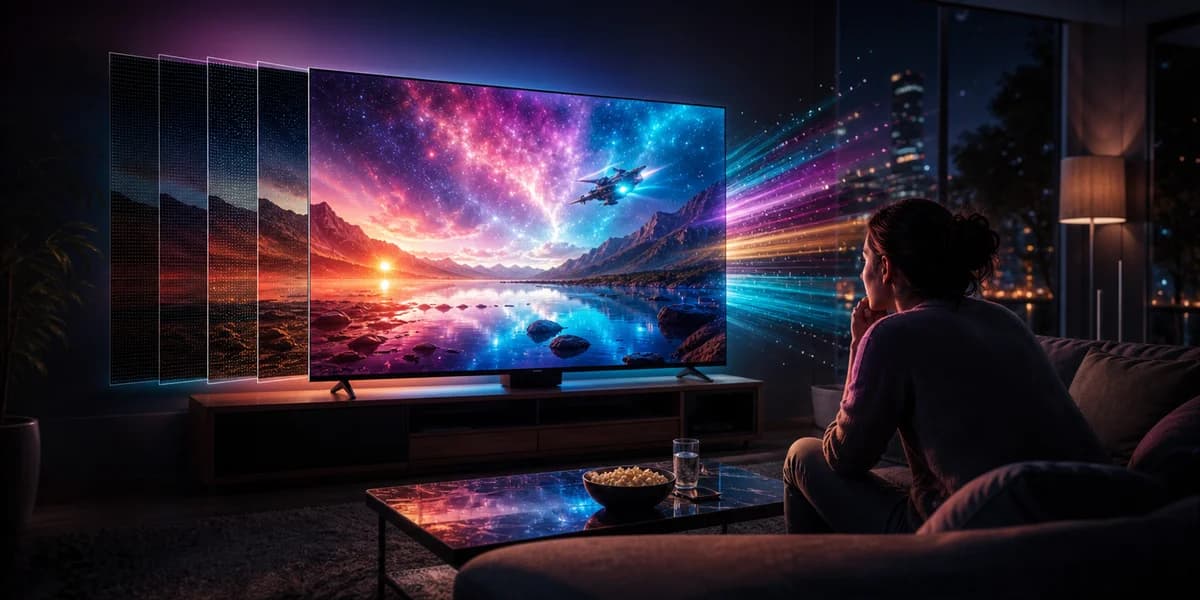

HDR10+
HDR10+ is an advanced version of HDR (High Dynamic Range) technology that enhances picture quality by providing dynamic metadata to adjust brightness and colour on a scene-by-scene basis. This allows for a more nuanced and accurate portrayal of colours and contrast, resulting in a more vivid and detailed visual experience. Essentially, it optimises the display for each scene, unlike the static metadata of HDR10.
Best services for HDR10+

Prime Video
Score 6/10
£8.99/mo
Amazon Prime Video has limited HDR10+ implementation compared to other HDR formats. While the service supports HDR content broadly, HDR10+ availability is restricted to select Amazon Originals and a small portion of licensed content. The technical quality is good when available, with proper dynamic metadata handling and scene-by-scene optimization. However, the content library with HDR10+ is significantly smaller than competitors, with most content still using standard HDR10. Device compatibility is reasonable but not comprehensive, working primarily on Samsung TVs, select streaming devices, and some mobile devices. The user experience lacks clear HDR10+ identification in the interface, making discovery challenging.
What you need
To experience HDR10+ content, you'll need several components working together:
Display Requirements:
- HDR10+-compatible TV or monitor (primarily Samsung TVs, select LG and Sony models)
- Display capable of at least 1,000 nits peak brightness for optimal experience
- 4K resolution recommended for full benefit
Streaming Setup:
- Compatible streaming device (Samsung smart TVs, select Roku models, Amazon Fire TV devices, Xbox Series X/S, PlayStation 5)
- High-speed internet connection (minimum 25 Mbps for 4K HDR content)
- HDMI 2.0a or newer cables for external devices
Subscription Requirements:
- Premium subscription tiers on supported platforms (varies by service)
- Access to HDR10+ content library (availability varies significantly by platform)
Guide to HDR10+
HDR10+ Feature Summary
1. FEATURE OVERVIEW
HDR10+ is an advanced High Dynamic Range (HDR) technology that significantly enhances picture quality by dynamically adjusting brightness and color settings on a scene-by-scene basis. Unlike standard HDR10, which uses static metadata for an entire movie or show, HDR10+ includes dynamic metadata that tells your display exactly how to optimize each individual scene.
This technology works by analyzing each frame and providing specific instructions to your TV or device about how bright highlights should be, how deep shadows should appear, and how vibrant colors should look. The result is a more accurate and visually stunning experience where dark scenes retain detail without washing out bright scenes, and colors appear more lifelike and nuanced.
HDR10+ is an open standard developed by Samsung, Amazon, and 20th Century Fox, making it royalty-free for manufacturers to implement. It supports up to 4,000 nits of peak brightness and maintains backward compatibility with standard HDR10 content.
3. REAL-WORLD EXAMPLES
HDR10+ makes the most dramatic difference in content with varied lighting conditions. In Amazon Prime Video's "The Boys," explosive action sequences benefit from dynamic brightness adjustments that make bright flashes pop without losing detail in darker areas of the same scene. Nature documentaries like "Our Planet" showcase HDR10+'s ability to render both the deep shadows of forest floors and brilliant sunlit canopies in the same frame.
In practical terms, you'll notice HDR10+ most when watching:
- Action movies with frequent transitions between dark and bright scenes
- Space content where stars and nebulae require precise brightness control
- Sunset/sunrise scenes where the technology can balance sky brightness with foreground details
- Indoor/outdoor transitions where lighting changes dramatically within seconds
The technology particularly shines on Samsung QLED TVs, where the quantum dot technology can fully utilize HDR10+'s expanded color instructions to produce more accurate skin tones and natural-looking environments.
4. HOW WE SCORE THIS FEATURE
Our HDR10+ scoring methodology evaluates platforms across five key criteria, each weighted based on user impact:
Content Library Availability (40%): We assess the percentage of HDR10+ content versus total HDR content, with higher scores for platforms offering substantial HDR10+ libraries rather than token implementations.
Technical Implementation Quality (25%): This measures proper dynamic metadata handling, scene-by-scene optimization accuracy, and overall visual improvement over standard HDR10.
Device Compatibility (20%): Scores reflect how widely the platform's HDR10+ content works across different devices and TV brands, not just premium models.
Content Discovery (10%): Higher scores go to platforms that clearly identify HDR10+ content in their interface, making it easy for users to find enhanced content.
Content Quality and Variety (5%): This considers whether HDR10+ is available across different genres and content types, not just limited to specific categories.
Based on our current data, scores typically range from 4-8 out of 10, with most platforms scoring in the 5-7 range due to limited content libraries despite good technical implementation. A score of 6/10, like Amazon Prime Video's current rating, indicates decent technical quality but significant limitations in content availability and discovery features.
5. WHY IT MATTERS
HDR10+ represents a meaningful upgrade for viewers who prioritize visual quality, particularly those with compatible high-end displays. The technology addresses one of HDR10's main limitations by providing scene-specific optimization rather than one-size-fits-all settings for entire programs.
This feature is most valuable for:
- Home theater enthusiasts with premium display setups
- Gamers using compatible consoles and displays
- Movie lovers who notice and appreciate visual quality differences
- Content creators who want to see their work as intended
However, HDR10+ currently faces adoption challenges. Limited content availability means you might struggle to find HDR10+ versions of your favorite shows. The technology also requires specific hardware combinations that many users don't have, making it less accessible than standard HDR10.
The feature's impact depends heavily on your viewing setup and content preferences. While the visual improvements are genuine and noticeable on compatible equipment, the limited content ecosystem means HDR10+ remains more of a premium feature than a standard expectation across streaming platforms.
Services offering HDR10+
Related Audio/Video Quality features
About Audio/Video Quality
Features related to video resolution, audio quality, and technical streaming capabilities
View all Audio/Video Quality features